Understanding Glass Cutting Machines
In the modern manufacturing landscape, the glass cutting machine has become an indispensable tool across various industries. From construction to art, its capability to produce precise glass cuts is pivotal for achieving the desired quality and efficiency in production. This article delves into the intricacies of glass cutting machines, exploring their components, types, and applications.
What is a Glass Cutting Machine?
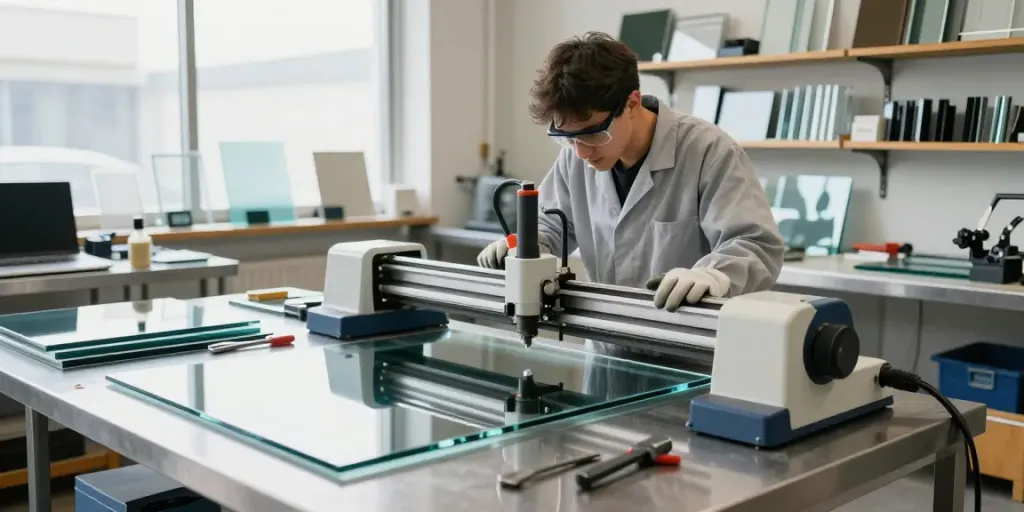
A glass cutting machine is a specialized tool used to create accurate cuts in glass materials. These machines come in various forms, including manual cutters for smaller tasks and automated systems designed for high-volume production. The fundamental principle involves scoring the surface of the glass with a cutting tool, which allows the glass to fracture along a predetermined line during separation. This process not only ensures precision but also minimizes waste, making it a crucial asset in glasswork.
Key Components of Glass Cutting Technology
Understanding the components that make up a glass cutting machine is essential for anyone looking to invest in or operate one. Key elements include:
- Cutting Head: The cutting head houses the blade or cutter, which is designed to score the glass accurately.
- Support Table: A stable surface that holds the glass in place during the cutting process, ensuring precision.
- Control System: Modern machines often come with computerized controls that allow for programmable cutting patterns.
- Feed Mechanism: This mechanism moves the glass material into position for cutting.
Types of Glass Cutting Machines
There are several types of glass cutting machines available, each designed for specific applications:
- Manual Glass Cutters: Ideal for small-scale projects and crafts, these handheld tools require skill and experience.
- CNC Glass Cutting Machines: These computer-controlled machines offer high precision for complex designs, making them popular in industrial environments.
- Flatbed Cutters: Generally used in the manufacturing industry, these machines provide large working areas for cutting sheets of glass.
- Water Jet Cutters: Utilizing high-pressure water streams, these cutters provide a precise and cleaner cut, suitable for intricate designs.
Industry Applications of Glass Cutting Machines
Glass cutting machines are utilized across various sectors. Their versatility allows for a wide range of applications:
Commercial Uses in Construction and Architecture
In the construction industry, glass cutting machines are crucial for creating window panes, glass facades, and interior structures. The ability to provide customized sizes and shapes supports architectural innovations while ensuring quality and safety standards are met.
Customized Solutions for Art and Craft Projects
For artists and craftspeople, glass cutting machines offer the precision needed for stained glass work, glass mosaics, and decorative pieces. With the right equipment, creators can turn their imaginative designs into reality, enhancing the aesthetic value of their projects.
Role in Automotive and Aerospace Industries
Glass cutting machines also play a vital role in the automotive and aerospace sectors. They are used to manufacture windows, windshields, and specialized glass components that require strict tolerance and durability. The efficiency of these machines contributes significantly to the overall safety and performance of vehicles and aircraft.
Emerging Technologies in Glass Cutting
The glass cutting industry is continuously evolving with advanced technologies that enhance productivity and precision. Key trends include:
Integration of CNC Technology
Computer Numerical Control (CNC) technology allows for automated, precise glass cutting processes. This technology not only speeds up production but also reduces the risk of human error, resulting in consistently high-quality cuts.
Laser vs. Traditional Cutting Techniques
Laser cutting machines have gained popularity for their ability to create intricate designs with minimal heat damage. Compared to traditional methods, laser technology offers superior precision and a cleaner finish, which is particularly beneficial for high-end applications.
Smart Technology and IoT in Glass Cutting
With the rise of the Internet of Things (IoT), glass cutting machines are becoming smarter. Machines equipped with sensors can monitor performance, provide real-time data, and alert operators about maintenance needs. This integration optimizes workflow and minimizes downtime, contributing to overall productivity.
Best Practices for Operating Glass Cutting Machines
To ensure safety and efficiency when operating glass cutting machines, adhering to best practices is essential:
Safety Protocols When Using Glass Cutting Machines
Operators should always prioritize safety by wearing appropriate personal protective equipment (PPE), including gloves and safety goggles. Familiarity with the machine’s operating manual and safety features is crucial for preventing accidents.
Maintenance Tips for Longevity and Efficiency
Regular maintenance checks can extend the life of glass cutting machines. This includes cleaning the cutting surfaces, lubricating moving parts, and checking for wear and tear on blades. Keeping the machine in optimal condition ensures consistent performance and quality cuts.
Training and Skill Development for Operators
Proper training is vital for operators to utilize glass cutting machines effectively. Organizations should invest in skills development programs that cover machine operation, maintenance, and safety protocols. This not only enhances productivity but also reduces the risk of accidents.
Future Trends and Market Predictions
The glass cutting machine market is evolving, with several trends anticipated to reshape the industry in the coming years:
Anticipated Advancements in Glass Cutting Machines
As technology advances, future glass cutting machines will likely feature enhanced automation, improved cutting speeds, and greater precision. Integration with advanced design software will further streamline the cutting process, enabling even more complex designs.
Market Demand and Growth Projections for 2026
Market predictions indicate steady growth in the glass cutting machine sector, driven by increased demand in construction, automotive, and aerospace industries. By 2026, the market is expected to expand as new applications for glass emerge, such as in sustainable architecture and energy-efficient designs.
Environmental Considerations and Sustainability Practices
With a growing emphasis on sustainability, manufacturers are seeking eco-friendly materials and production methods for glass cutting. This includes minimizing waste during cutting processes and using recyclable materials in machine construction.