Understanding Containerized Water Treatment Systems
In an increasingly water-scarce world, the efficiency and adaptability of water treatment systems have never been more crucial. Containerized water treatment systems represent a ground-breaking approach to water purification, combining flexibility, efficiency, and sustainability to meet diverse needs. These innovative solutions allow for the quick deployment and effective treatment of water in various conditions, whether for municipal use, industrial applications, or remote locations. They leverage modular flexibility to craft tailor-made processes that can be easily relocated, reused, or expanded, making them ideal for dynamic scenarios. As a leading water treatment systems manufacturer, QILEE excels in deploying these transformative technologies.
What Are Containerized Water Treatment Systems?
Containerized water treatment systems consist of prefabricated units that encapsulate all necessary equipment to treat and purify water effectively. Designed for deployment in varying geographical and environmental conditions, these systems are self-contained and can be operational within days of arrival on-site. Unlike traditional systems that often require extensive civil engineering and large spaces, containerized systems minimize land use and installation time, making them a highly efficient alternative.
Key Components and Technologies
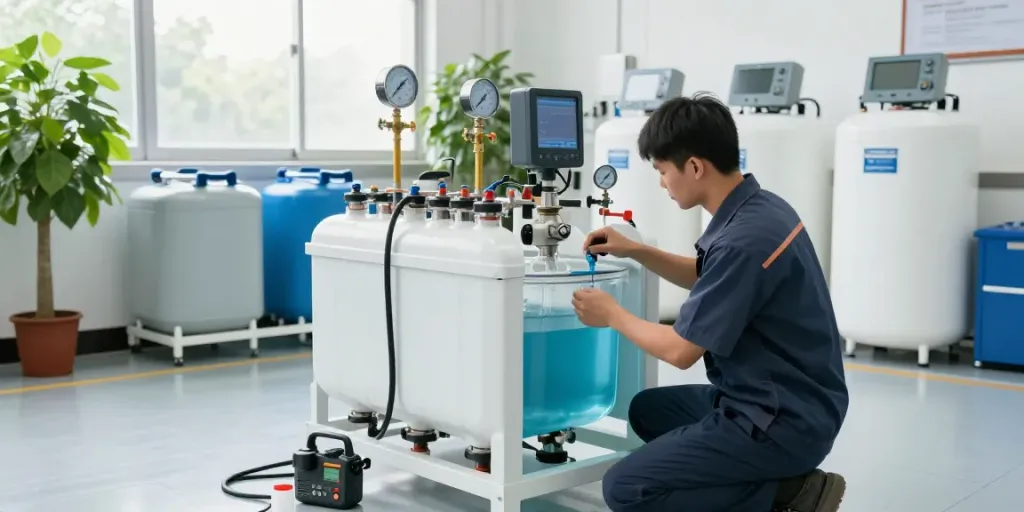
Understanding the components and technologies employed in containerized water treatment systems is crucial for their effective deployment. Some key features include:
- Filtration Units: Advanced filtration technologies, such as microfiltration and ultrafiltration, ensure the removal of particulate matter and pathogens from incoming water.
- Reverse Osmosis (RO) Systems: These essential components effectively remove dissolved salts and other impurities, producing high-quality potable water.
- Intelligent Control Systems: Real-time monitoring and automation capabilities allow for effective management and operation of the system from remote locations, thereby optimizing performance.
- Storage Tanks: Integrated storage solutions facilitate the management of treated water supplies, ensuring sufficient availability for various applications.
Applications Across Various Industries
The versatility of containerized water treatment systems makes them suitable for a wide range of industries:
- Municipal Water Supply: Ideal for communities needing immediate access to safe drinking water.
- Industrial Applications: Provides process water for manufacturing, mining, and energy sectors to maintain operational efficiency.
- Military and Remote Operations: Essential for military bases or remote facilities where traditional infrastructure is absent.
- Humanitarian Efforts: Quickly deployed in disaster-relief scenarios to provide clean water in emergencies.
Why Choose Containerized Solutions?
Choosing containerized water treatment solutions offers numerous benefits over traditional systems, making them an attractive option for various applications. With their flexibility and ease of deployment, these systems address many common challenges faced in water treatment.
Benefits Over Traditional Water Treatment Systems
Some of the core advantages of containerized systems compared to traditional installations include:
- Rapid Deployment: While traditional systems may take 3-6 months for on-site construction, containerized systems can be operational within 3-7 days, thanks to factory-prefabrication.
- Space Efficiency: These systems require significantly less land area, saving up to 50% in floor space compared to traditional setups.
- High Reusability Rate: Containerized systems can be relocated and reused across different sites, with a reusability rate exceeding 90%.
Modularity and Customization Opportunities
Containerized water treatment systems are designed with modularity in mind, allowing for customization tailored to specific water quality requirements. Elements such as membrane technology, filtration types, and disinfection methods can be selected based on the incoming water's quality, making each system adaptable to unique challenges.
Cost-Efficiency and Time Savings
In addition to lower installation costs, the operational efficiency of containerized systems contributes to long-term cost savings. The minimized footprint lowers land preparation costs, while the intelligent control systems reduce labor requirements. Moreover, the speed of setup allows companies to start operations sooner, leading to quicker returns on investment.
Quality Control and Monitoring Practices
Maintaining high-quality water standards is paramount, and containerized water treatment systems incorporate several practices to ensure this goal is met.
Intelligent Control Systems Explained
Intelligent control systems enhance the management of the treatment process by providing real-time data on water quality parameters, equipment performance, and system health. These systems facilitate preventive maintenance, minimizing downtime and ensuring consistent output quality.
Real-time Monitoring Techniques
The effectiveness of real-time monitoring in containerized systems is pivotal. Advanced sensors measure critical parameters such as pH, turbidity, and dissolved solids, triggering alerts for any deviations from set thresholds. This capability allows operators to respond quickly and effectively, ensuring the ongoing reliability of treated water.
Maintenance Best Practices
Regular maintenance is essential for the longevity and performance of containerized water treatment systems. Key best practices include:
- Routine inspections of filtration and membrane systems.
- Scheduled calibration of sensors and monitoring equipment.
- Regular cleaning and replacement of essential components, such as membranes and filters.
- Keeping detailed records of maintenance activities to track performance trends.
Future Trends in Water Treatment Technology
The landscape of water treatment technology continues to evolve, driven by the need for sustainability, efficiency, and innovation. Containerized systems are at the forefront of these advancements, integrating cutting-edge technologies to improve performance and reduce environmental impact.
Innovations in Containerized Systems for 2026
Future innovations are expected to include:
- Integration of IoT: The Internet of Things is set to revolutionize monitoring and maintenance practices, providing enhanced connectivity and remote management capabilities.
- Enhanced Energy Efficiency: New technologies will focus on reducing the energy footprint of water treatment operations, making them more environmentally friendly.
- Sophisticated Treatment Processes: Advanced methods such as hybrid systems merging RO with advanced oxidation processes are anticipated, improving efficiency and water quality further.
Sustainability and Resource Recycling in Water Treatment
As demand for sustainable practices rises, containerized water treatment systems are poised to integrate reclaimed water reuse modules. Implementing these systems can achieve resource recycling rates of up to 80%, showcasing the potential for significant environmental benefits in water management.
Predictions for Industry Evolution
Looking ahead, the water treatment industry will likely see a shift toward more decentralized systems, where mobile and modular units provide localized solutions. Increasing regulatory pressures and the growing importance of sustainable practices will push innovation and adoption in containerized water treatments, ensuring their prominence in the future landscape.
FAQs about Containerized Water Treatment Systems
What industries benefit the most from containerized water treatment solutions?
Containerized water treatment systems are versatile, benefiting industries including municipal water supply, manufacturing, pharmaceuticals, agriculture, and emergency response.
How quickly can containerized systems be deployed on-site?
Typically, containerized systems can be deployed and operational within 3-7 days, significantly faster than traditional installations that may take months.
What are the environmental impacts of containerized water treatment?
These systems generally have a smaller environmental footprint due to reduced land use, lower energy consumption, and the potential for high resource recycling rates.
How do I choose the right water treatment systems manufacturer?
When selecting a manufacturer, consider their experience, technological capabilities, customization options, and support services. Ensuring they align with your specific needs is crucial for success.
What maintenance is required for containerized water treatment systems?
Regular maintenance tasks include inspecting and cleaning components such as filters and membranes, monitoring system performance, and calibrating control systems to ensure optimal operation.