Understanding Automatic Bag Palletizer Machines
In the modern world of production and logistics, businesses are continually seeking methods to enhance efficiency and reduce operational costs. One key innovation in this pursuit is the automatic bag palletizer machine. These machines have transformed the way companies manage their bag palletizing processes, enabling them to handle high volumes of products with precision and speed. In this article, we will explore the various facets of these advanced machines, including their workings, benefits, and the impact they have on industries worldwide.
What is an Automatic Bag Palletizer Machine?
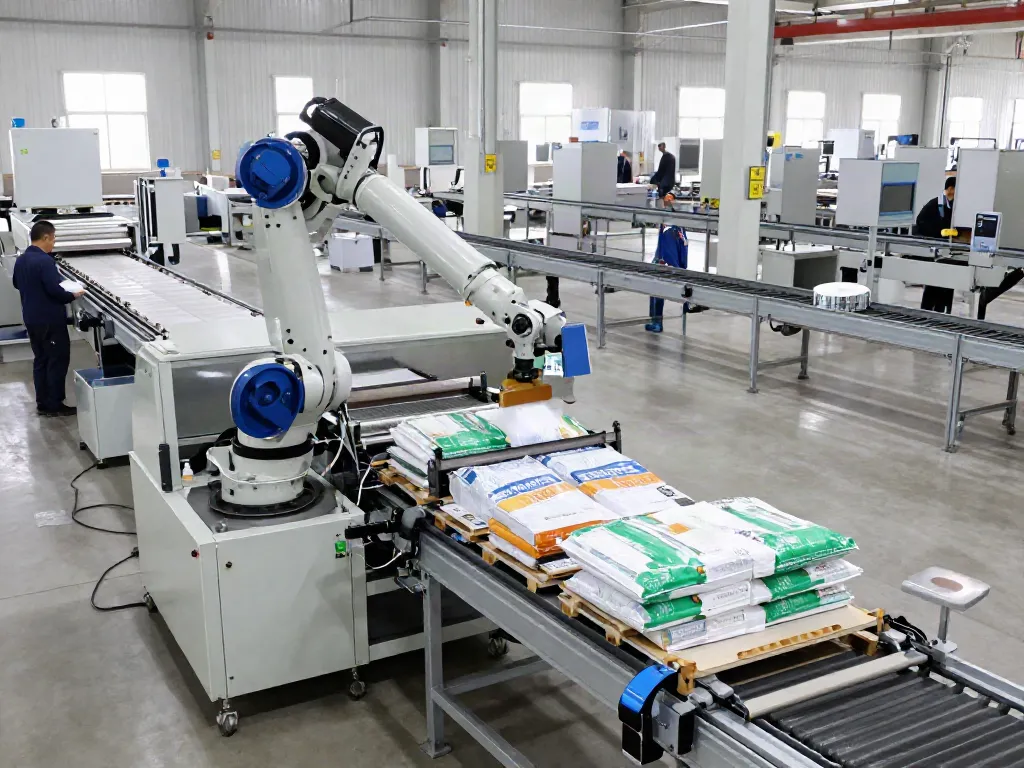
An automatic bag palletizer machine is a robotic or mechanical system designed to automate the process of stacking bags onto pallets at the end of production lines. Traditionally, this task was performed manually, requiring significant labor and time, often resulting in inconsistent stacking and potential safety hazards. With the advent of automation, businesses can now rely on palletizers to handle various bag sizes and weights efficiently.
How Does an Automatic Bag Palletizer Work?
The operation of an automatic bag palletizer involves several steps that ensure accurate and efficient stacking:
- Bag Handling: The machine receives bags fed from a packaging line, using special grippers or clamps to securely lift them.
- Stack Formation: The palletizer arranges bags into predefined patterns according to user specifications, optimizing pallet space and stability for transport.
- Palletizing: Once the stack is formed, the machine places it onto a pallet with precision, ensuring evenly distributed weight and stability.
- Conveyance: The finished pallets can then be transported via conveyor systems to storage or shipping areas.
Key Advantages of Using Automatic Bag Palletizers
Implementing an automatic bag palletizer offers numerous benefits, making it a valuable asset for different industries:
- Increased Efficiency: These machines can significantly enhance production speeds, often stacking bags at rates far surpassing manual labor.
- Reduced Labor Costs: Automation minimizes the need for manual labor, allowing companies to reallocate human resources to more strategic tasks.
- Improved Safety: By reducing the physical strain on workers associated with lifting heavy bags, businesses can lower the risk of workplace injuries.
- Consistency and Quality: Automatic palletizers ensure uniform stacking, which leads to better pallet stability, preventing damage during shipping.
- Flexibility: Many models can accommodate a range of bag types and sizes, making them suitable for various products across multiple industries.
Evaluating the Efficiency of Automatic Bag Palletizer Machines
Understanding the operational efficiency of an automatic bag palletizer is crucial for businesses looking to invest in this technology. Key performance metrics can provide insights into how effectively a machine can integrate into existing systems and drive productivity.
Performance Metrics to Consider
When evaluating automatic bag palletizers, businesses should consider the following performance metrics:
- Throughput Rate: This refers to the number of bags stacked per hour. Higher throughput rates indicate a more efficient machine.
- Changeover Time: The time taken to switch between different bag sizes or stacking patterns can significantly impact productivity. Efficient machines minimize downtime during these transitions.
- Uptime: This metric measures the time the machine operates without interruptions, indicating its reliability and effectiveness in maintaining productivity.
- Energy Consumption: Understanding the energy usage of a palletizer can help assess its cost-effectiveness and sustainability.
Comparison with Manual Palletizing Solutions
While manual palletizing has been a traditional method, it has various inherent drawbacks when compared to automatic systems:
- Labor-Intensive: Manual palletizing requires significant labor, leading to higher costs and increased risk of worker fatigue.
- Inconsistent Results: Human error can lead to inconsistently stacked pallets, increasing the likelihood of damage during transport.
- Slower Operation: Manual processes generally operate at slower speeds compared to automated solutions.
The comparison clearly establishes that, especially for high-volume operations, automatic bag palletizers provide a more efficient, consistent, and reliable solution.
Real-World Applications in Different Industries
Automatic bag palletizers are utilized across various sectors, each benefiting from the efficiency and reliability of these systems:
- Agriculture: Companies that package grains, seeds, and fertilizers use palletizers to handle heavy bags, ensuring quick and safe palletizing.
- Food and Beverage: In the food industry, palletizers manage a variety of packages, from flour to coffee, ensuring hygiene and safety during the palletizing process.
- Chemicals: Chemical manufacturers rely on automatic palletizers to handle hazardous materials safely, minimizing human contact and exposure.
- Building Materials: Businesses distributing bags of cement or other construction materials benefit from the efficiency and robustness of these machines.
Challenges and Limitations of Automatic Bag Palletizer Machines
Despite the many advantages of automatic bag palletizers, certain challenges and limitations must be considered to make informed purchasing decisions.
Common Misconceptions About Automation
One prevalent misconception is that automation will eliminate jobs. While it's true that fewer manual labor positions may be required, automation often leads to job transformation rather than job loss, allowing employees to focus on more complex tasks that require human intervention.
Potential Downtime and Maintenance Issues
Automatic systems can experience downtime due to mechanical failures or maintenance requirements. Regular maintenance schedules and quick access to parts are essential for ensuring that these machines operate smoothly and efficiently.
Compatibility with Various Bag Types and Sizes
Not all palletizers can handle every bag type. Businesses must evaluate the specific requirements of their products to ensure compatibility, especially in industries where bag sizes and materials vary significantly.
Future Trends in Bag Palletizing Technology for 2026
The landscape of bag palletizing technology is continually evolving. Keeping an eye on future trends can help businesses stay ahead of the curve.
Emerging Technologies in Robotics and AI
As robotics and artificial intelligence advance, we can expect to see more sophisticated automatic bag palletizers equipped with smarter algorithms that enhance functionality, adaptability, and predictive maintenance capabilities.
Sustainability and Energy Efficiency Improvements
Growing concerns about environmental impact will drive advancements in energy-efficient designs and sustainable practices in bag palletizing operations. Companies adopting these technologies will benefit from reduced operational costs and enhanced brand reputation.
Market Growth and Adoption Rates in Different Sectors
The demand for automatic bag palletizers is expected to rise, particularly in sectors such as e-commerce and food production. As companies aim to streamline operations and meet increasing consumer demands, the adoption rate of these technologies will likely surge in the coming years.
Conclusion: Making Informed Decisions on Bag Palletizing Systems
As businesses consider integrating automatic bag palletizer machines into their operations, it is crucial to assess various factors to ensure the right fit for their specific needs.
Assessing Your Business Needs
Each business has unique requirements based on its product types, volume, and operational challenges. Before investing in a palletizer, it is essential to conduct a thorough analysis to understand these needs.
Cost-Benefit Analysis of Implementing Automation
Investing in an automatic bag palletizer requires careful financial consideration. A cost-benefit analysis should encompass initial investment costs, expected savings on labor, and long-term efficiency gains.
Expert Insights on Choosing the Right Equipment
Consulting with experts in industrial automation can provide valuable insights into which palletizer models best suit specific operational requirements, ensuring optimal performance and return on investment.
What are the Benefits of Automatic Bag Palletizer Machines?
Automatic bag palletizer machines offer increased efficiency, reduced labor costs, improved safety, and reliability, making them an invaluable asset for industries that deal with high volumes of bags.
How Does an Automatic Bag Palletizer Machine Improve Production?
By automating the bag palletizing process, these machines enhance throughput, reduce manual handling time, and ensure consistent stacking, collectively boosting overall production rates.
What Should Businesses Consider Before Purchasing an Automatic Bag Palletizer?
Factors such as throughput rates, compatibility with existing systems, product types, maintenance requirements, and total cost of ownership should be evaluated to ensure the right choice.
How Much Does an Automatic Bag Palletizer Machine Cost?
Costs can vary widely based on the machine’s specifications, capabilities, and features. Businesses should conduct detailed market research and obtain multiple quotes to guide their budgeting process.
What Industries Benefit Most from Automatic Bag Palletizers?
Industries such as agriculture, food and beverage, chemicals, and building materials significantly benefit from automatic bag palletizers due to the high volumes and varying product specifications they handle.