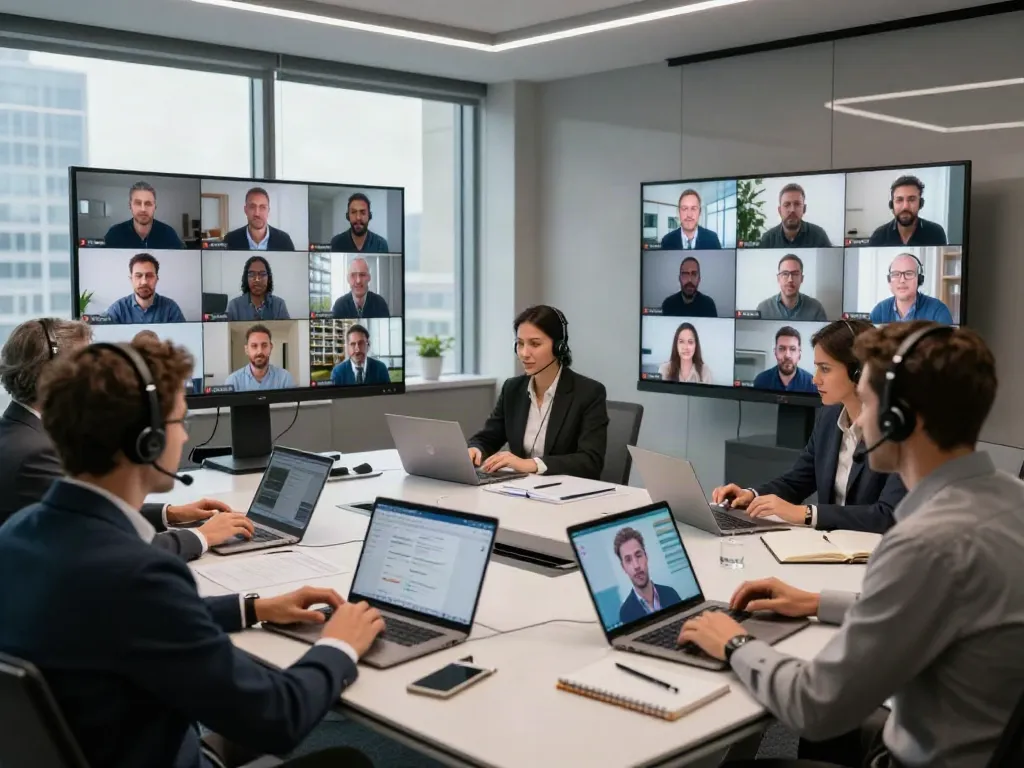
The Necessity of Deepfake Protection in Modern Conferencing
As digital communication becomes increasingly vital in our personal and professional lives, understanding the implications of deepfake technology is essential. With the rise of artificial intelligence, deepfakes—manipulated video and audio files that convincingly mimic real people—pose significant risks in video conferencing settings. The ability to impersonate individuals in real-time can lead to unauthorized access, financial fraud, and reputational damage. As businesses and organizations rely heavily on virtual meetings, ensuring the security and authenticity of these interactions is paramount. In this article, we will explore the landscape of Deepfake protected Conferencing and strategies to safeguard virtual communications.
Understanding Deepfake Technology and Its Implications
Deepfake technology harnesses machine learning algorithms to create convincing audio and video simulations. By training these models on extensive datasets of real individuals, malicious actors can generate content that appears authentic. This technology has advanced rapidly, making it increasingly sophisticated and difficult to detect. The implications for video conferencing are profound; deepfakes can be used to impersonate executives, steal sensitive information, and disrupt business operations. Understanding the mechanisms of deepfake creation is crucial for organizations seeking to implement effective protective measures.
Why Traditional Security Measures Fall Short
Traditional security measures—such as passwords, firewalls, and basic encryption—are no longer sufficient to combat deepfake threats. While these measures can protect against unauthorized access and basic cyberattacks, they do not specifically address the complexities of deepfake technology. For example, a secure password may prevent unauthorized users from joining a meeting, but it will not stop a deepfake impersonation of a legitimate participant. Thus, businesses must adopt a more comprehensive approach to security that includes advanced detection and verification protocols.
Emerging Threats in the Virtual Meeting Landscape
As remote work and digital communications become the norm, the risks associated with deepfake technology expand. Recent studies have shown a surge in deepfake-related scams, where criminals impersonate business leaders to authorize fraudulent transactions. Moreover, the legal landscape surrounding deepfakes is still evolving, leading to significant uncertainties for organizations. As these challenges grow, embracing deepfake protection becomes not just a precaution but a necessity for safeguarding corporate integrity and stakeholder trust.
Best Practices for Implementing Deepfake Protected Conferencing
Key Strategies for Enhanced Security in Video Calls
Implementing deepfake protection requires a proactive approach. Here are several key strategies that organizations should consider:
- Multi-Factor Authentication (MFA): Enforce MFA for all participants to ensure that access is granted only to verified users.
- Meeting Verification: Use visual cues, such as personalized backgrounds or watermarked video feeds, to help attendees confirm the identities of their colleagues.
- Real-Time Detection Tools: Invest in software solutions that employ AI algorithms to detect deepfake content as it is being shared during meetings.
Choosing the Right Tools and Technologies
Not all conferencing tools are equipped to handle the challenges posed by deepfake technologies. When selecting video conferencing platforms, organizations should prioritize those that offer built-in deepfake detection features and robust security measures. Evaluating platforms based on their security certifications, user feedback, and vulnerability assessments can help ensure that the chosen solution meets organizational needs.
Creating a Culture of Cyber Awareness
Implementing technology alone is not enough. Fostering a culture of cybersecurity awareness among employees is crucial. Regular training sessions can educate staff about the risks associated with deepfakes and how to recognize suspicious behavior during virtual meetings. By empowering employees with knowledge, businesses can create a vigilant workforce capable of identifying potential threats before they escalate.
Real-World Applications and Case Studies
Success Stories from Leading Companies
Several companies have successfully navigated the risks associated with deepfakes and enhanced their virtual meeting security:
- Company A, a financial institution: Implemented advanced biometric verification methods, significantly reducing the incidence of fraudulent transactions initiated via deepfake impersonation.
- Company B, a tech giant: Developed an internal training program focusing on deepfake awareness, resulting in improved employee confidence in recognizing deepfake content during meetings.
Lessons Learned from Deepfake Incidents
Learning from past incidents can help organizations fortify their defenses against deepfake threats. For instance, a notable incident involved a CEO being impersonated in a video call, leading to unauthorized fund transfers. This case highlighted the importance of rigorous identity verification processes and the need for real-time monitoring of video feeds.
Industry-Specific Challenges and Solutions
Different industries face unique challenges regarding deepfake protection. For example:
- Healthcare: Patient confidentiality and trust are paramount. Implementing strict access controls and deepfake detection tools is vital.
- Finance: Financial institutions must prioritize robust authentication methods to prevent deepfake-related fraud.
Evaluating the Effectiveness of Deepfake Protections
Key Performance Indicators for Video Security
To assess the effectiveness of deepfake protection measures, organizations should establish key performance indicators (KPIs), such as:
- Number of successful detections of deepfake attempts during meetings.
- Employee feedback on security training effectiveness.
- Reduction in incidents of fraud linked to deepfake technology.
Feedback and Analysis from End Users
Gathering feedback from end users can provide valuable insights into the practical effectiveness of implemented protections. Organizations should regularly survey employees about their experiences with video conferencing security and potential improvements.
Future Trends in Conferencing Security
As deepfake technology continues to evolve, so too must the strategies to combat it. Future trends may include:
- Integration of blockchain technology for secure identity verification in virtual meetings.
- Advancements in AI to enhance the detection of manipulated video and audio content.
- Regulatory developments aimed at standardizing deepfake protections across industries.
FAQs About Deepfake Protected Conferencing
What is deepfake protection in video conferencing?
Deepfake protection involves implementing various measures, including technology and policies, to safeguard virtual meetings from manipulated audio and video content. This can include verification tools, real-time detection software, and employee training.
How can businesses implement deepfake protection?
Businesses can implement deepfake protection by adopting secure video conferencing platforms, enhancing authentication methods, and providing training for employees about recognizing deepfake threats.
Are deepfake protected conferences expensive to set up?
While implementing deepfake protection may involve initial costs, the long-term savings from preventing fraud and maintaining trust can far outweigh these expenses.
What industries benefit most from deepfake protection?
Industries such as finance, healthcare, and technology are particularly vulnerable to deepfake threats and stand to benefit significantly from enhanced security measures.
How can users identify deepfake content in video calls?
Users can identify deepfake content by being vigilant for inconsistencies in video quality, mismatched audio, and unexpected behavior from participants. Employing verification techniques can further enhance identification efforts.