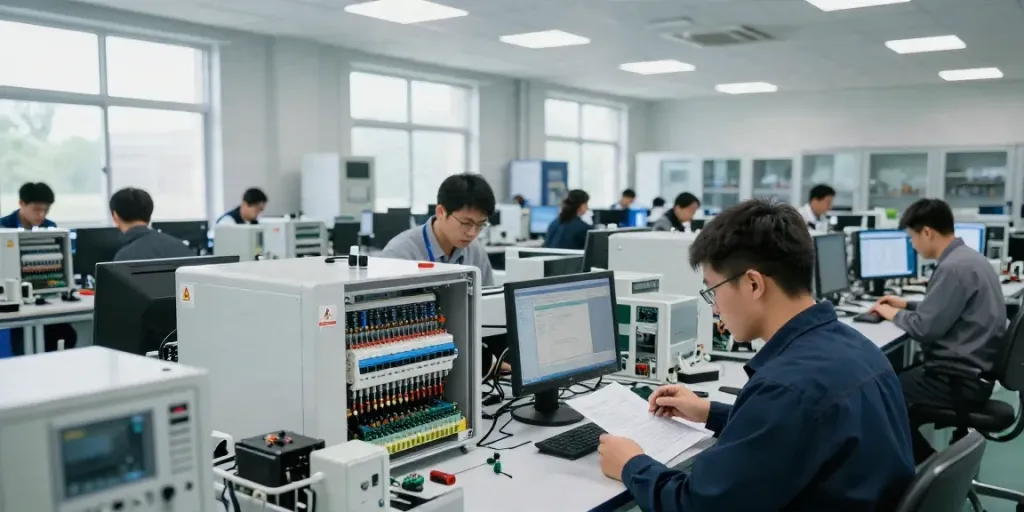
Understanding the Role of Electrical Components Manufacturers
In today's technology-driven world, electrical components manufacturers play a crucial role in powering various industries and applications. These manufacturers are essential for providing high-quality electrical and electronic components that ensure safety, reliability, and performance across a range of sectors, from consumer electronics to heavy machinery. Understanding their significance helps businesses make informed decisions when sourcing these vital components. When exploring options, Electrical components manufacturer provides comprehensive insights into the diverse products available.
What is an Electrical Components Manufacturer?
An electrical components manufacturer produces various components that are integral to electrical systems and devices. These components can include connectors, switches, relays, circuit breakers, and power cords, among others. They cater to multiple industries, ensuring that products meet specific standards and requirements for performance and safety.
Manufacturers often engage in both standard production and custom solutions, adapting to the unique needs of various sectors, such as industrial automation, telecommunications, and consumer electronics. By leveraging technological advancements and adhering to international standards, they ensure that their products are reliable and effective.
Importance of Quality Standards and Certifications
Quality standards and certifications are paramount in the manufacturing of electrical components. They not only ensure product safety and performance but also build trust with customers and regulatory bodies. Notably, certifications such as UL (Underwriters Laboratories), CE (Conformité Européenne), and RoHS (Restriction of Hazardous Substances) signify compliance with industry standards.
Manufacturers must prioritize obtaining these certifications, as they help differentiate their products in a competitive marketplace. This commitment to quality is crucial for maintaining a positive reputation and meeting customer expectations.
Key Products and Their Applications
Electrical components manufacturers produce a variety of products tailored to specific applications. Here are some key components and their uses:
- IEC Connectors: Used to link power to electrical appliances, these connectors meet international safety requirements and are commonly found in household and commercial devices.
- Power Cords: Essential for connecting appliances to power sources, power cords come in various configurations and materials to suit different environments and applications.
- Switches: Electromechanical switches are integral in enabling users to control power in devices without unplugging them. These switches are used in power supplies, appliances, and industrial equipment.
- Relay Sockets: These components allow for efficient wiring and control in electrical circuits, ensuring that devices operate safely and effectively.
- Wire Harnesses: Organizing wires and cables into structured assemblies, wire harnesses ensure reliable electrical connections and minimize installation time.
Best Practices in Manufacturing Electrical Components
Manufacturing electrical components requires strict adherence to best practices to ensure safety, efficiency, and quality. Implementing these practices can significantly enhance a manufacturer's reputation and operational efficiency.
Adhering to International Safety Standards
Compliance with international safety standards is crucial for electrical components manufacturers. Different markets may have varying regulations and standards, which must be carefully navigated to ensure product acceptance and success. By aligning with standards set by organizations like the International Electrotechnical Commission (IEC), manufacturers can facilitate smoother entry into global markets and foster customer confidence.
Effective Quality Control Processes
A robust quality control process is essential for any electrical components manufacturer. This includes in-process inspections, final testing, and feedback loops to continuously improve products. Utilizing advanced quality management systems helps ensure that every component meets strict quality guidelines before reaching the market.
Implementing Advanced Manufacturing Technologies
To remain competitive, manufacturers must adopt advanced manufacturing technologies. Automation, robotics, and smart manufacturing techniques can enhance precision and efficiency, reducing waste and production costs. Implementing these technologies not only improves product quality but also accelerates time-to-market.
Custom Solutions for Diverse Industries
Customization is a key offering of electrical components manufacturers, allowing them to meet the unique needs of various industries. Tailored solutions can significantly enhance a product's functionality and performance in specific applications.
Tailoring Products for OEM and Industrial Applications
Original Equipment Manufacturers (OEMs) often require specific designs and specifications for their components. Electrical components manufacturers must work closely with these clients to develop solutions that meet their performance, durability, and compliance needs. This may include customizing cable lengths, connector configurations, or switch types to ensure compatibility and effectiveness in the intended application.
Case Studies of Successful Custom Projects
Highlighting successful custom projects can illustrate a manufacturer's capability to adapt to client needs. For example, a manufacturer may have collaborated with a prominent automotive company to create specialized wire harnesses that withstand extreme conditions, enhancing vehicle reliability. Such case studies not only showcase the manufacturer's expertise but also serve as a powerful marketing tool.
Benefits of Partnering with a Reliable Manufacturer
Partnering with a reliable electrical components manufacturer offers numerous advantages. These benefits include:
- Quality Assurance: Established manufacturers maintain high-quality standards, ensuring safety and reliability in their products.
- Customization Options: They can tailor products to meet specific industry requirements, enhancing overall performance.
- Technical Support: A dedicated engineering team can assist clients in optimizing their products and addressing any technical challenges that arise.
- Global Reach: Experienced manufacturers often have a global supply chain, enabling efficient delivery across multiple regions.
Supply Chain Management in Electrical Components Production
Effective supply chain management is vital for electrical components manufacturers, directly impacting their ability to deliver quality products on time and within budget. Navigating the complexities of global sourcing and logistics is essential to maintain operational efficiency and customer satisfaction.
Global Sourcing and Logistics Strategies
Global sourcing allows manufacturers to access materials and components from various regions at competitive prices. By establishing strong relationships with suppliers and navigating international trade regulations, manufacturers can optimize their procurement processes. Additionally, efficient logistics strategies help manage transportation and reduce lead times, ensuring timely delivery of products to clients.
Challenges in Supply Chain Management
Supply chain management is not without its challenges. Issues such as fluctuating material costs, geopolitical tensions, and transportation disruptions can affect manufacturing timelines and costs. Manufacturers must stay agile and adapt their strategies to mitigate these risks, maintaining a steady flow of production and supply.
Innovative Solutions for Efficient Delivery
To address supply chain challenges, manufacturers are increasingly adopting innovative solutions. These may include utilizing data analytics to forecast demand, implementing real-time tracking systems, and creating contingency plans for supply disruptions. By leveraging technology and proactive planning, manufacturers can enhance their resilience and agility in the face of unexpected challenges.
Future Trends in Electrical Components Manufacturing
As the electrical components manufacturing landscape evolves, several trends are shaping the future of the industry. Understanding these trends can help manufacturers stay ahead of the curve and adapt to changing market demands.
Emerging Technologies and Innovations
Advanced technologies such as artificial intelligence (AI), machine learning, and the Internet of Things (IoT) are transforming how electrical components are designed and manufactured. Manufacturers that embrace these innovations can enhance their efficiency, improve product performance, and gain valuable insights into customer preferences.
Shifts in Market Demand and Consumer Preferences
As sustainability and eco-friendliness become increasingly important, manufacturers are facing pressure to develop greener products. This includes using recyclable materials, reducing energy consumption, and ensuring compliance with environmental regulations. Understanding consumer preferences will be crucial for manufacturers seeking to maintain a competitive edge.
Preparing for 2026 and Beyond: Strategic Insights
Looking toward 2026, manufacturers must be prepared to adapt to an ever-changing landscape. This includes investing in research and development to foster innovation, enhancing supply chain resilience, and prioritizing customer relationships. By staying informed about market trends and consumer needs, electrical components manufacturers can position themselves for sustained success in the years to come.