Understanding RT5880 Material Properties
In the realm of high-frequency printed circuit board (PCB) manufacturing, material selection is crucial for ensuring optimal performance and reliability. Among the various materials available, RT5880 has emerged as a preferred choice for many engineers and manufacturers. This polyarylene ether glass fiber composite is well-known for its impressive electrical properties, including low dielectric constant and low loss tangent, which are essential for applications involving microwave frequencies. When exploring options, RT5880 PCB manufacturing provides comprehensive insights into the advantages and applications of this material.
What is RT5880?
RT5880, also known as Rogers RT/Duroid 5880, is a high-frequency laminate material used predominantly in the production of PCBs for RF applications. It is manufactured by Rogers Corporation, a well-respected name in the PCB industry. The material is composed of a polytetrafluoroethylene (PTFE) base reinforced with glass fiber, which enhances its mechanical strength while maintaining low dielectric properties. This combination makes RT5880 particularly suitable for high-performance applications where signal integrity is paramount.
Key Characteristics of RT5880
The unique properties of RT5880 make it stand out in high-frequency PCB applications:
- Low Dielectric Constant (Dk): Typically around 2.2 to 2.4, RT5880 offers excellent signal propagation characteristics with minimal signal loss.
- Low Loss Tangent (Df): The low loss tangent (usually around 0.0012) ensures that signal degradation remains minimal, even at high frequencies.
- Thermal Stability: RT5880 exhibits excellent thermal properties, allowing it to maintain performance under varying temperature conditions.
- Mechanical Strength: The glass fiber reinforcement provides robustness, making it less prone to warping or damage during manufacturing and use.
- Ease of Machining: RT5880 can be easily cut and shaped, which streamlines the manufacturing process compared to other rigid materials.
Applications of RT5880 in PCB Design
RT5880 is versatile and is widely used in several critical applications:
- Microwave Circuits: Ideal for antenna feed networks and other microwave applications.
- RF Modules: Utilized in RF test boards and modules, ensuring efficient signal transmission.
- Satellite Communication: Used in satellite communications for its durability and low loss properties.
- Point-to-Point Microwave Links: Commonly adopted for terrestrial microwave links due to its reliability and performance consistency.
- Radar Systems: Applies in radar circuitry that requires precision and stability.
The PCB Manufacturing Process for RT5880
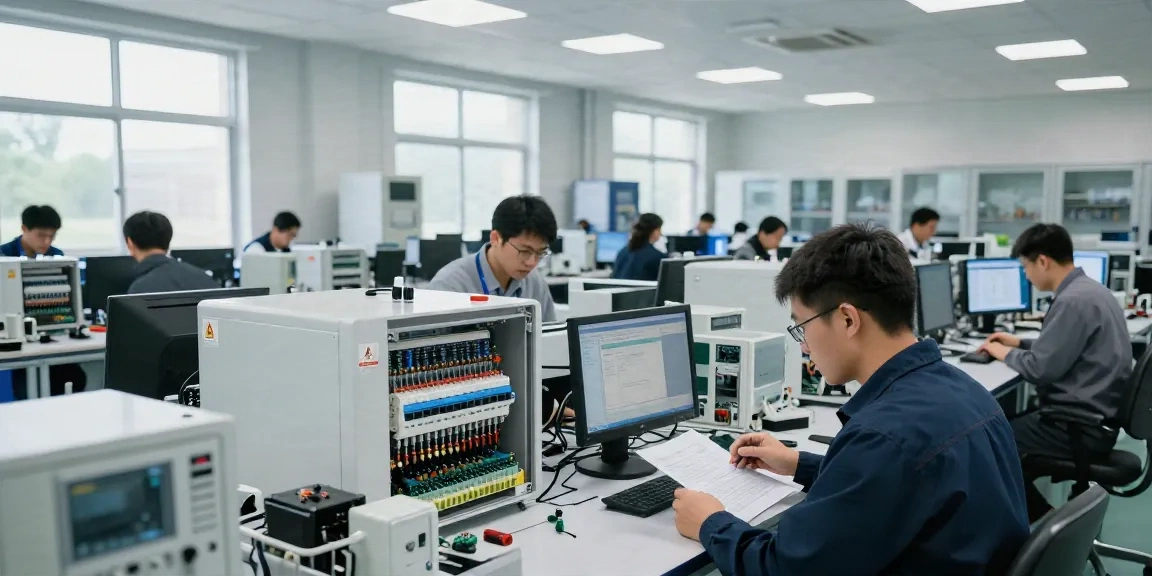
Manufacturing PCBs with RT5880 involves several critical steps that require precision and expertise. These steps ensure that the final product meets the high standards required for performance in demanding applications.
Preparation and Material Handling
Before manufacturing begins, careful preparation and handling of RT5880 material are necessary:
- Material Inspection: Each batch of RT5880 should undergo thorough inspection to check for defects or inconsistencies.
- Storage Conditions: RT5880 must be stored in a controlled environment to prevent moisture absorption, which can affect its dielectric properties.
- Cutting and Shaping: Due to its unique composition, RT5880 can be cut and shaped easily, enabling precise designs.
Fabrication Techniques for RT5880
The fabrication process of RT5880 PCBs requires specialized techniques:
- Etching: Photolithographic methods are commonly used for circuit design creation, ensuring clear and accurate patterns.
- Drilling: Precision drilling techniques allow for high-density interconnections, essential in modern PCB design.
- Layer Lamination: Layers of RT5880 can be laminated together to form complex multilayer structures, enhancing functionality.
Quality Control Measures
Quality control is paramount in RT5880 PCB manufacturing to ensure performance consistency:
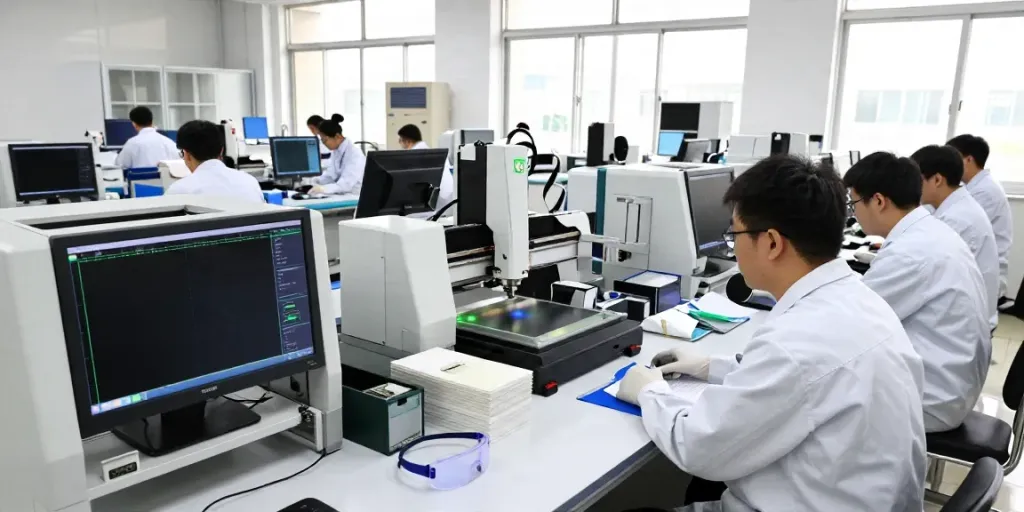
- Electrical Testing: All PCBs undergo electrical testing to verify signal integrity and functionality.
- Visual Inspection: Regular visual inspections help detect any physical defects in the PCBs before they are sent to clients.
- Thermal Cycling Tests: These tests simulate temperature variations to ensure reliability under real-world conditions.
Challenges in RT5880 PCB Manufacturing
While the advantages of RT5880 are significant, manufacturers face several challenges:
Common Issues with PTFE Materials
PTFE-based materials like RT5880 present unique manufacturing challenges:
- Processing Difficulty: Due to the materials' unique properties, they can be challenging to process compared to traditional FR-4 materials.
- Machining Restrictions: Specific machining techniques must be employed to prevent damage while cutting or shaping the material.
- Cost Factors: Generally, PTFE materials are more expensive than standard materials like FR-4, affecting overall production costs.
Solutions for Manufacturing Challenges
To overcome the challenges associated with RT5880 manufacturing, the following strategies can be implemented:
- Investing in Training: Providing thorough training for staff on PTFE processing techniques can enhance production efficiency.
- Using Advanced Equipment: Adopting updated machinery specifically designed for PTFE materials can reduce fabrication difficulties.
- Quality Materials Selection: Collaborating with reputable suppliers ensures that the quality of RT5880 is consistent and reliable.
Best Practices for Process Optimization
To optimize the manufacturing process of RT5880 PCBs, manufacturers should consider the following best practices:
- Standard Operating Procedures: Establishing clear guidelines and protocols for manufacturing can streamline processes.
- Regular Equipment Maintenance: Keeping manufacturing equipment in top condition reduces downtime and enhances productivity.
- Feedback Loops: Implementing a system for continuous feedback from production teams can identify areas for improvement quickly.
Future Trends in PCB Manufacturing
As technology evolves, several trends are emerging that could shape the future of RT5880 PCB manufacturing:
Innovations Impacting RT5880 Production
New technologies are consistently altering the landscape of PCB manufacturing:
- Automation: Increased automation in production lines can enhance efficiency and reduce human error.
- Advanced Testing Methods: Implementation of AI in testing processes offers improved accuracy and faster turnaround times.
- Green Manufacturing Practices: The push toward sustainability is leading to innovations that reduce waste and energy consumption during production.
Emerging Technologies in the PCB Industry
Several innovative technologies are being adopted in the PCB industry, such as:
- Flexible Electronics: The rise of flexible PCBs is opening up new applications for RT5880 materials.
- 3D Printing: 3D printing technology is beginning to allow for the rapid prototyping of complex PCB structures.
- Internet of Things (IoT): The demand for IoT devices is pushing for more advanced and compact PCB designs that can utilize RT5880’s properties effectively.
Predictions for 2026 and Beyond
Looking ahead, the PCB manufacturing landscape is projected to undergo significant changes:
- Increased Market Demand: The demand for high-frequency and high-reliability PCBs is expected to grow, particularly in telecommunications and automotive sectors.
- Advancements in Material Science: New materials and composites may emerge, enhancing the properties of existing materials like RT5880.
- Integration of AI and Machine Learning: These technologies will likely enable smarter manufacturing processes, improving efficiency and reducing costs.
FAQs on RT5880 PCB Manufacturing
What industries commonly use RT5880 PCBs?
RT5880 PCBs are predominantly used in industries such as telecommunications, aerospace, automotive, and military applications due to their high-frequency performance and reliability.
How does RT5880 compare to other PCB materials?
Compared to traditional materials like FR-4, RT5880 offers superior electrical properties, making it better suited for high-frequency applications but generally at a higher cost.
What are the cost considerations in RT5880 PCB manufacturing?
Cost factors include material expenses, processing difficulties, and requirements for advanced equipment, which all contribute to the overall cost of producing RT5880 PCBs.
Can RT5880 be customized for specific applications?
Yes, RT5880 can be customized for various applications, including alterations in thickness and layering, to meet specific performance requirements.
What certifications are required for RT5880 PCBs?
Common certifications include IPC standards, UL certification, and sometimes military specifications, depending on the intended application of the PCB.