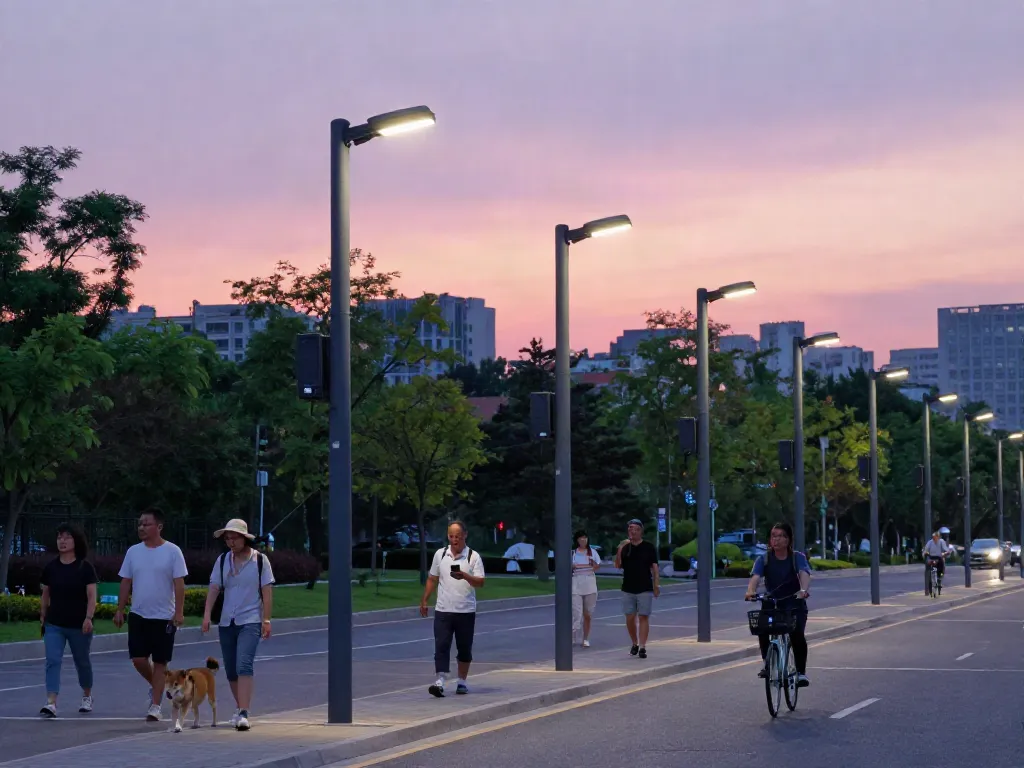
Understanding Smart Light Poles
As urban areas continue to evolve, the need for modern infrastructure that caters to the demands of busy city life has become increasingly apparent. Enter Smart Light Poles, an innovative solution that merges traditional street lighting with advanced technology to create multifunctional urban assets. These smart poles are not just about illuminating streets; they play a pivotal role in enhancing the overall efficiency, safety, and sustainability of cities. In this article, we will explore the features, benefits, and challenges of smart light poles, and how they are shaping the future of urban environments.
What are Smart Light Poles?
Smart light poles, also known as smart poles, are intelligent infrastructure that integrates lighting with a variety of other functionalities to serve urban environments better. Unlike conventional lighting poles, smart light poles are equipped with sensors, connectivity options, and additional services such as surveillance cameras, Wi-Fi hotspots, environmental monitoring systems, and electric vehicle (EV) charging stations. This convergence of technology enables cities to collect and analyze data, making urban management more efficient and responsive to the needs of its citizens.
Key Features of Smart Light Poles
The features of smart light poles can be categorized based on their technological capabilities and the services they provide:
- LED Lighting: Utilizes energy-efficient LEDs that can be dimmed or brightened based on the time of day or traffic conditions.
- Connectivity: Equipped with 5G connectivity, ensuring high-speed internet access in urban areas.
- Sensors: Embedded sensors to monitor air quality, noise levels, and weather conditions, contributing to a healthier urban environment.
- Surveillance: Cameras for enhanced security and public safety, aiding law enforcement and emergency response efforts.
- EV Charging: Integration of charging stations for electric vehicles, supporting clean transportation initiatives.
The Role of Smart Light Poles in Smart Cities
Smart light poles serve as a foundational element of smart cities, promoting innovative urban management. They facilitate the collection of real-time data, which can help city planners make informed decisions about traffic management, public safety, and environmental sustainability. For example, data from smart poles can inform street lighting adjustments based on pedestrian presence, thus conserving energy. Additionally, the ability to monitor environmental factors leads to improved public health outcomes and better resource management.
Benefits of Smart Light Poles
Integrating smart light poles into urban landscapes offers a multitude of benefits that extend beyond mere illumination. These advantages resonate with stakeholders, including city planners, residents, and businesses alike.
Enhanced Safety and Security Features
One of the most significant advantages of smart light poles is their contribution to enhanced safety and security. The integration of surveillance cameras and emergency call buttons provides immediate assistance during crises. Furthermore, their ability to illuminate streets more effectively deters crime and creates a safer environment for pedestrians. For example, cities that have installed smart poles report a decrease in crime rates, attributing this reduction to improved visibility and the presence of surveillance technologies.
Energy Efficiency and Cost-Effectiveness
Smart light poles significantly reduce energy consumption through the use of LED technology and adaptive lighting systems that adjust brightness based on surrounding conditions. This not only lowers energy costs for municipalities but also contributes to environmental goals by reducing carbon footprints. The initial investment in smart technology is often recouped through energy savings and reduced maintenance costs over time.
Improving Community Connectivity
By offering Wi-Fi hotspots, smart light poles enhance community connectivity and digital access. This is particularly crucial in underserved areas where internet access may be limited. Providing free, reliable internet encourages social interaction, supports local businesses, and fosters a sense of community. Moreover, connected smart poles help cities implement smart transportation systems, improving mobility and access for all residents.
Common Challenges and Misconceptions
As with any emerging technology, smart light poles come with their own set of challenges and misconceptions that must be addressed to ensure successful integration into urban planning.
Debunking Myths about Smart Light Poles
Despite the growing popularity of smart poles, several myths hinder their acceptance. A common misconception is that they invade privacy through surveillance. However, smart poles are designed with data protection in mind, ensuring that surveillance operations are transparent and regulated. Additionally, the benefits they provide in terms of safety and efficiency far outweigh privacy concerns when proper guidelines are established.
Integration Issues with Existing Infrastructure
Integrating smart light poles into existing urban infrastructure can be challenging due to outdated electrical systems, zoning regulations, and the need for extensive public collaboration. Cities must undertake comprehensive assessments and engage with the community to address these integration issues effectively. Pilot programs and phased implementations can ease the transition and allow for adjustments based on real-world feedback.
Maintenance and Operational Concerns
Maintaining smart light poles requires a commitment to regular updates and technical support. Concerns about technology obsolescence and the need for skilled technicians to manage these systems can deter city officials. However, establishing robust maintenance plans and training current staff can mitigate these challenges, ensuring that the benefits of smart poles are realized continually.
Implementing Smart Light Poles in Urban Planning
Successfully implementing smart light poles requires careful planning and strategic execution. Here are key steps to guide cities through the process:
Steps to Integrate Smart Light Poles
1. Conduct Feasibility Studies: Evaluate the specific needs of the community and assess current infrastructure.
2. Engage Stakeholders: Collaborate with city officials, community leaders, and residents to gain insights and support.
3. Develop Pilot Programs: Start small with pilot installations to test technology and gather feedback.
4. Monitor and Evaluate: Utilize data from smart poles to assess their effectiveness and make necessary improvements.
5. Scale Up Implementation: Expand upon successful pilot programs, ensuring that lessons learned are applied to future deployments.
Real-World Case Studies and Examples
Many cities worldwide are leading the way in smart pole implementation. For instance, San Diego has integrated smart light poles across the city, combining street lighting with environmental sensors and wireless connectivity. This initiative not only enhances public safety but also allows the city to monitor air quality and noise levels in real-time.
Similarly, Barcelona has deployed smart poles equipped with charging stations and Wi-Fi, helping to transform its urban landscape into a more connected and sustainable environment.
Future Trends in Smart Pole Technology
As the demand for smart technology continues to grow, we can expect innovations in smart pole features. Future trends may include:
- AI Integration: Employing artificial intelligence for predictive analytics, improving traffic management, and enhancing safety features.
- Increased Solar Integration: Utilizing solar panels to further reduce energy costs and reliance on grid power.
- Advanced Environmental Monitoring: Smart poles may be equipped with more sophisticated sensors for comprehensive environmental data collection.
Measuring the Impact of Smart Light Poles
To validate the effectiveness of smart light poles, it’s crucial to develop metrics for evaluating their performance in various aspects of urban life.
Performance Metrics for Evaluating Effectiveness
Key performance indicators (KPIs) for smart light poles could include:
- Reduction in crime rates in illuminated areas.
- Energy savings achieved through smart lighting systems.
- Increased community engagement through enhanced connectivity.
Data-Driven Decision Making for Urban Development
Data collected from smart poles can inform urban development decisions by providing insights into traffic patterns, community needs, and environmental conditions. This data-driven approach fosters proactive planning, ensuring that cities can adapt to changes and enhance quality of life for residents.
Future Predictions for Smart Light Poles in 2026 and Beyond
Looking ahead, by 2026, we can expect smart light poles to become integral components of urban infrastructure. As cities push for greener solutions, the role of smart light poles in achieving sustainability goals will be paramount. With advancements in technology and increased public support, smart poles will likely include even more functionalities and become ubiquitous in urban landscapes, fundamentally transforming how we interact with our cities.
What does a smart pole do?
A smart pole provides illumination while integrating various technologies that enhance urban life, such as Wi-Fi, environmental sensors, and surveillance systems.
What are the disadvantages of smart lights?
Some of the disadvantages may include concerns over privacy, high initial costs, and the need for regular maintenance and upgrades.
What are the common problems with light poles?
Common issues include outages, damage from weather conditions, and outdated electrical infrastructure that can hinder the implementation of smart technology.
What is the best smart home light system?
The best smart home lighting system varies by user needs; systems that integrate well with other smart home devices and offer customization tend to be favored.
How do smart poles enhance urban environments?
Smart poles enhance urban environments by promoting safety, improving energy efficiency, and providing connectivity, thereby fostering a more sustainable and vibrant community.