Understanding Heavy Machinery Loans
Heavy machinery loans are a crucial financial solution for businesses in various industries, aiming to enhance productivity and drive growth. These loans allow companies to acquire essential equipment without depleting their working capital. By spreading the cost of machinery over time, businesses can maintain their cash flow while investing in the tools necessary for efficient operations. When exploring options, Heavy Machinery Loans provide comprehensive insights into flexible financing solutions tailored to specific needs.
What are Heavy Machinery Loans?
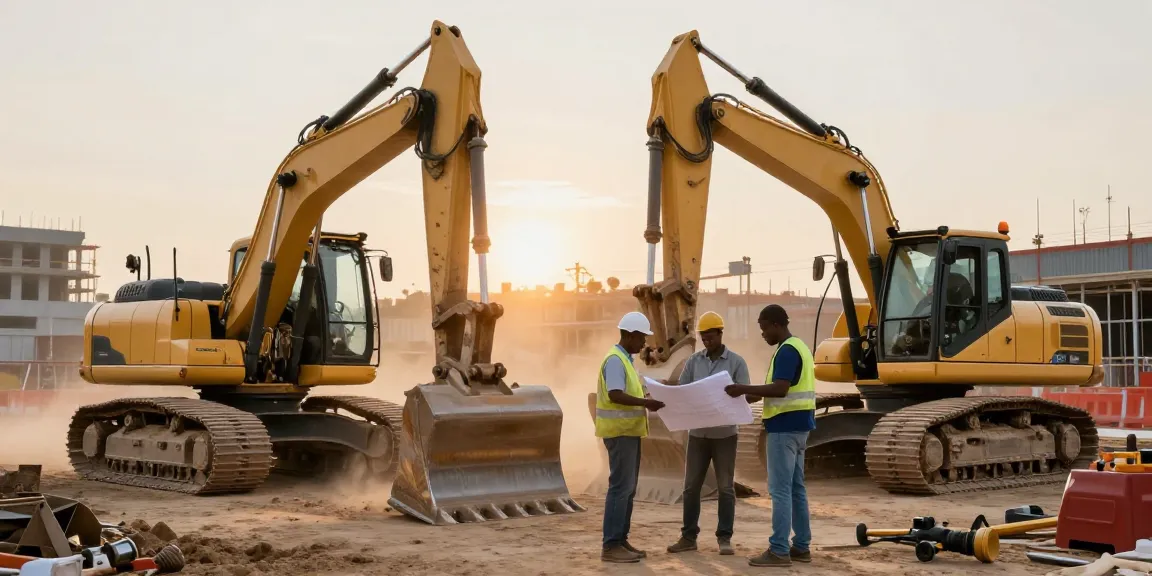
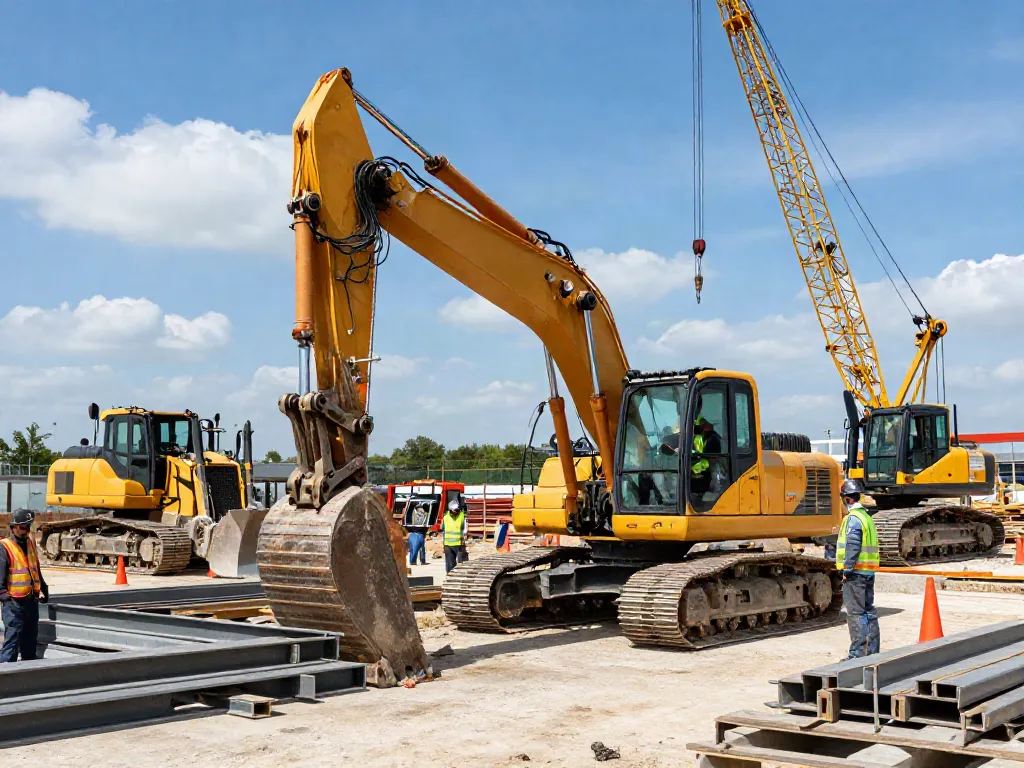
Heavy machinery loans are specialized financing options designed to help businesses purchase or lease heavy equipment such as excavators, graders, bulldozers, and cranes. These loans are structured to support companies in acquiring the necessary machinery to execute projects efficiently. Depending on the lender, businesses can choose between secured loans, where the machinery itself acts as collateral, or unsecured loans, which might involve higher interest rates due to the increased risk for lenders.
How Heavy Machinery Loans Work
Heavy machinery loans typically follow a straightforward process. Once a business identifies the equipment needed, it can apply for a loan through a broker or lender. The borrower will need to provide documentation that demonstrates their creditworthiness and intended use of the machinery. Loan terms may vary, but they usually include fixed or variable interest rates and repayment schedules ranging from one to seven years. Often, lenders will consider factors such as the borrower's credit history, business revenue, and the value of the machinery in question.
Types of Heavy Machinery Loans Available
There are several types of heavy machinery loans available, allowing businesses to select options that best suit their needs:
- Secured Loans: These loans require the equipment to serve as collateral, which can lead to more favorable interest rates.
- Unsecured Loans: These are based on the borrower's creditworthiness and do not require collateral but may involve higher interest rates.
- Equipment Leasing: Instead of purchasing, businesses can lease machinery, paying monthly fees while using the equipment for a specified term.
- Chattel Mortgages: A popular choice for purchasing equipment, this loan allows businesses to own the machinery while making repayments over time.
Benefits of Heavy Machinery Loans
Investing in heavy machinery is a significant decision, and securing a loan can offer numerous benefits:
Enhancing Cash Flow with Heavy Machinery Loans
One of the primary advantages of heavy machinery loans is the ability to enhance cash flow. By financing the purchase, businesses can preserve their working capital, which can be crucial for day-to-day operations. Instead of tying up funds in expensive equipment, companies can allocate resources to other critical areas, such as salaries, utilities, and inventory. This flexibility is vital for small to medium-sized enterprises that may face cash flow challenges.
Competitive Financial Solutions for Various Industries
Heavy machinery loans cater to a wide array of industries, including construction, mining, agriculture, and logistics. Each sector has specific needs, and lenders offer tailored solutions to meet these demands. For instance, construction companies might require immediate access to excavators and bulldozers for ongoing projects, while agricultural businesses may seek financing for tractors and harvesting equipment. The competitive nature of heavy machinery financing means that businesses can shop around to find the best rates and terms.
Long-term Growth Opportunities with Equipment Financing
Securing heavy machinery loans can position businesses for long-term growth. With reliable and efficient equipment, companies can increase productivity, undertake larger projects, and improve service delivery. Additionally, owning modern machinery enhances a company's marketability and competitiveness. As industries evolve, staying ahead of technological advancements through proper financing becomes essential for continued success.
Choosing the Right Loan Provider
Finding the right loan provider is crucial in securing optimal financing for heavy machinery. Several factors should be taken into account:
Evaluating Lenders and Loan Terms
Before committing to a lender, businesses should carefully evaluate their options. This includes comparing interest rates, repayment terms, and any associated fees. Understanding the lender’s reputation and the flexibility of their loan offerings can significantly impact a company's financial health. A thorough market analysis can provide insights into which lenders offer the most favorable terms for your specific needs.
Importance of Broker Services in Heavy Machinery Financing
Using a finance broker can simplify the borrowing process by offering expert advice tailored to the business's financial situation. Brokers have access to multiple lenders and can negotiate better terms on behalf of their clients, which can save businesses time and money. They can also guide companies through the application process, ensuring all necessary documentation is properly submitted.
Assessing Lender Reputation and Support
Reputation matters when selecting a loan provider. Researching reviews and testimonials from previous clients can provide valuable insights into a lender's reliability and customer service. It's also essential to consider the level of support offered during the loan process—timely communication and assistance can make a significant difference in the overall experience.
Common Challenges in Securing Heavy Machinery Loans
Securing financing can sometimes present challenges for businesses seeking heavy machinery loans. Understanding these obstacles can help borrowers prepare effectively.
Understanding Credit Requirements and Rates
Lenders typically have specific credit requirements that must be met to qualify for loans. Poor credit can hinder access to favorable rates and terms, making it essential for businesses to understand their credit standing before applying. Additionally, being aware of how credit scores impact loan offers can help businesses take steps to improve their creditworthiness beforehand.
Overcoming Common Misconceptions about Machinery Financing
Many businesses harbor misconceptions about machinery financing, which can deter them from seeking loans. Common myths include the belief that heavy machinery financing is only for large corporations or that lenders will require extensive documentation. In reality, many lenders provide options for small to medium-sized enterprises, and brokers can assist in streamlining the application process.
Document Preparation and Application Process Tips
Proper documentation is crucial in the loan application process. Businesses should prepare a comprehensive financial overview, including profit-and-loss statements and cash flow projections. Having all necessary documents organized can expedite the process and improve the chances of loan approval.
Future Trends in Heavy Machinery Financing
The landscape of heavy machinery financing is continually evolving, driven by technological advancements and changing market demands. Here’s what to anticipate:
The Impact of Technology on Loan Processing in 2026
As we move into 2026, technology will play a more significant role in loan processing. Online platforms and digital tools will facilitate faster applications and approvals, minimizing paperwork and enhancing user experience. Moreover, the use of artificial intelligence in assessing credit risks will allow lenders to offer more competitive rates based on accurate data analysis.
Emerging Lenders and Innovative Financing Solutions
New players in the financing sector are emerging, offering creative solutions for heavy machinery financing. These lenders often provide alternative lending options, such as crowdfunding or peer-to-peer lending, which can be more accessible to small businesses compared to traditional banks.
Preparing Your Business for Future Financing Needs
Businesses should remain proactive in preparing for future financing needs. This involves maintaining a healthy credit score, regularly reviewing financial statements, and establishing relationships with lenders. By staying informed and prepared, businesses can secure financing more efficiently when the need arises.
What banks finance heavy equipment?
Various banks and financial institutions offer equipment financing tailored to businesses. Major banks, local credit unions, and specialized lenders are viable options. Companies should evaluate their offerings based on interest rates, terms, and any additional services provided.
What is the current interest rate for a machinery loan?
The interest rates for machinery loans can vary significantly based on the lender, the borrower's creditworthiness, and market conditions. Typically, rates may range from 4% to 12%, depending on these factors. Staying aware of the current economic climate can help businesses understand market trends affecting interest rates.
What is the typical interest rate for a heavy equipment loan?
Heavy equipment loans generally feature interest rates that reflect the risk associated with the borrower and the equipment itself. On average, businesses can expect rates between 5% and 10%, but this can vary widely. Evaluating multiple lenders can help in finding competitive rates.
What are the benefits of financing used equipment?
Financing used equipment can offer several advantages, such as lower overall purchase costs and reduced depreciation. Companies can acquire reliable machinery without the hefty price tag of new equipment. Additionally, financing used machinery can free up capital for other business needs.
How to calculate financing costs for heavy machinery?
To calculate financing costs for heavy machinery, businesses should consider the total loan amount, interest rate, and loan term. Using an online loan calculator can simplify this process, helping businesses understand monthly repayments and total interest paid over the life of the loan.