
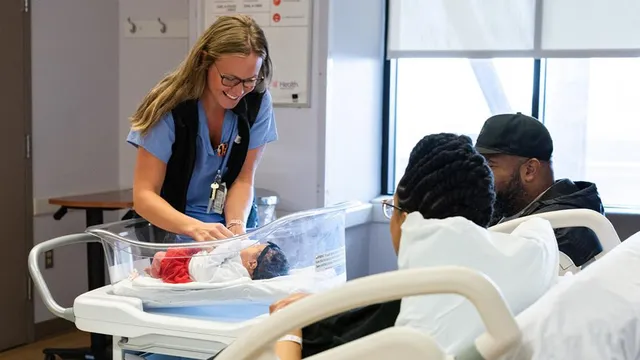
Pregnancy brings changes that affect a woman's physical health, emotional wellbeing and everyday routine. From confirming the pregnancy to preparing for childbirth, expectant mothers benefit from reliable medical advice and regular monitoring. Having a clear understanding of the care available at each stage can help families make informed decisions and approach the experience with greater confidence.
Choosing a maternity facility is an important part of this preparation. When evaluating the best maternity hospital in pune, families should consider the expertise of the medical team, the quality of antenatal services, access to diagnostic facilities and the support available during labour and after delivery. The right choice depends on individual health needs, the pregnancy's progress and the ability of the facility to provide appropriate care when circumstances change.
Why Early Pregnancy Care Matters
Early antenatal care helps healthcare professionals assess the pregnancy, review medical history and identify any factors that may require closer monitoring. Initial appointments may involve blood tests, urine tests, ultrasound examinations and discussions about nutrition, medication safety and daily habits. The specific investigations recommended will depend on the stage of pregnancy and the woman's individual circumstances.
Regular follow-up remains important throughout pregnancy, even when a woman feels well. Some conditions, including high blood pressure and gestational diabetes, may develop without obvious symptoms. Routine appointments allow clinicians to monitor maternal health, assess the baby's development and recommend additional investigations when necessary. Expectant mothers should share details of previous pregnancies, existing health conditions and current medication to help their healthcare team plan appropriate care.
Choosing a Hospital That Meets Your Needs
A maternity hospital should provide a supportive environment alongside the clinical services needed for safe pregnancy management. Families can consider the qualifications of obstetricians, nursing support, availability of laboratory and imaging services, labour facilities and access to emergency intervention. Clear information about admission procedures, billing and postnatal care can also make planning easier.
People searching for the best hospital for pregnancy in pune should ask how the facility handles both routine and high-risk pregnancies. It is useful to understand whether specialist consultations are available when additional medical concerns arise and what arrangements exist for anaesthesia, emergency caesarean delivery and newborn resuscitation. Families should also check whether the hospital can provide the level of newborn care that may be needed if a baby requires additional observation or treatment.
The Role of Regular Gynaecological Consultations
Pregnancy care involves ongoing conversations between the expectant mother and her healthcare professional. These appointments provide opportunities to discuss symptoms, review test results and understand the changes taking place as pregnancy progresses. Women can also seek advice about physical activity, nutrition, sleep, emotional wellbeing and preparation for labour.
A timely gynaec consultation can help address concerns such as persistent abdominal discomfort, unusual bleeding, urinary symptoms or questions about medicines during pregnancy. Not every symptom indicates a serious problem, but an appropriate medical assessment can help establish its cause. Women should feel comfortable describing their concerns openly and asking why a particular examination or investigation is recommended. Clear explanations encourage informed decisions and help build trust between patients and their healthcare team.
Preparing for Labour and Delivery
Preparing for childbirth involves understanding the available delivery options and recognising that the safest approach may change during pregnancy. Many women hope to have a vaginal birth, while others may require a planned or emergency caesarean delivery for medical reasons. Factors such as the baby's position, placental location, previous uterine surgery and certain maternal conditions can influence these decisions.
Discussing delivery preferences with the obstetrician before labour begins can help families understand what to expect. Women should ask about pain-relief options, monitoring during labour and the circumstances in which a change in the delivery plan may be necessary. A positive birth experience is not defined solely by the mode of delivery; it also depends on receiving respectful care, clear communication and timely medical support.
Understanding Pregnancy Warning Signs
Knowing which symptoms require prompt attention can help expectant mothers respond appropriately. Heavy vaginal bleeding, severe abdominal pain, severe headache accompanied by visual disturbances, difficulty breathing or a noticeable reduction in fetal movement later in pregnancy should be assessed urgently. A sudden gush or continuous leakage of fluid may also require immediate contact with the maternity team.
Women should follow the specific instructions provided by their healthcare professionals and avoid waiting for a routine appointment when concerning symptoms occur. It is sensible to keep the hospital's contact details accessible and understand where to go outside normal consultation hours. This preparation can reduce confusion during an unexpected situation and help families seek the right care without unnecessary delay.
Supporting Maternal Wellbeing Throughout Pregnancy
A healthy pregnancy involves attention to emotional and physical wellbeing. Hormonal changes, disrupted sleep and concerns about childbirth can affect mood and energy levels. Expectant mothers should have opportunities to discuss these changes during consultations, particularly if anxiety, sadness or stress begins interfering with daily activities.
A balanced diet, adequate rest, appropriate physical activity and avoiding tobacco and alcohol are important considerations during pregnancy. However, recommendations should reflect individual medical needs, especially when a woman has an existing health condition or requires closer monitoring. Partners and family members can also support maternal wellbeing by helping with everyday responsibilities, accompanying the mother to appointments when appropriate and respecting her preferences about care and childbirth.
The Importance of Postnatal Care
Medical support remains important after delivery, as mothers need time to recover and newborns require appropriate monitoring. Postnatal care can address pain, bleeding, wound healing, breastfeeding difficulties and other concerns that may arise after childbirth. Healthcare professionals can also discuss emotional changes and help women access further support if recovery becomes difficult.
Parents should receive practical guidance on newborn feeding, routine examinations, recommended vaccinations and signs that may indicate illness. Before delivery, families can ask about follow-up appointments, newborn services and how to contact the healthcare team after returning home. Having a clear plan for postnatal support can make the transition into family life more manageable and help parents respond confidently to common questions.
Making an Informed Choice
Before selecting a maternity facility, families should review its medical services, verify professional qualifications and understand its emergency arrangements. It is also worth clarifying which services are included in a maternity package, whether additional charges may apply and how follow-up appointments are organised. These conversations can help families compare facilities based on practical requirements rather than relying on promotional claims alone.
Recommendations from friends and online reviews may provide useful perspectives, but they should not replace direct discussions with qualified healthcare professionals. Every pregnancy is different, and the most appropriate care plan should reflect the mother's medical history, current health and individual preferences. Asking questions early can help expectant parents understand their options and prepare for the months ahead.
Conclusion
Planning for pregnancy involves more than choosing a place for delivery. Regular antenatal monitoring, qualified medical guidance, suitable facilities and dependable postnatal support all contribute to a more informed healthcare experience. Families who understand these factors are better equipped to evaluate their options and prepare for changing needs throughout pregnancy.
For families exploring maternity and women's healthcare services, Ankurah Hospitals can be a starting point for learning about available care. Before arranging an appointment, expectant parents should confirm the facility's location, services and specialist availability directly. Ultimately, pregnancy decisions should prioritise clinical suitability, clear communication and the wellbeing of both mother and baby.