Understanding Recirculating Cooker Hoods
In the intricate world of kitchen ventilation, recirculating cooker hood with carbon filter offers a unique solution for homes that lack traditional wall vents. This innovative kitchen appliance has gained popularity not just for its functionality, but also for its stylish designs that complement modern aesthetics. Whether you live in a compact flat or a larger home, these cooker hoods stand as a testament to the intersection of form and function, effectively managing smoke, odours, and humidity. But what exactly is a recirculating cooker hood, and how does it elevate your cooking experience?
What is a Recirculating Cooker Hood with Carbon Filter?
A recirculating cooker hood, often referred to as a ductless hood, is an appliance that efficiently filters kitchen air without the need for external ducting. Instead of venting air outside, it draws in air contaminated with cooking fumes, grease, and smoke, passes it through a series of filters, and then recirculates the cleaned air back into the kitchen. The pivotal component in this process is the carbon filter, which is designed to absorb and neutralize odours and airborne particles, ensuring that the air in your kitchen remains fresh and clean.
Key Benefits of Using Carbon Filters
- Odour Control: Carbon filters are exceptionally effective at trapping odours, making your kitchen a more pleasant space.
- Improved Air Quality: By reducing airborne particles, carbon filters help maintain better overall air quality, which can lead to a healthier home environment.
- Energy Efficiency: Recirculating cookers can be more energy-efficient, as they do not require the energy needed to vent air outside.
- Flexibility in Installation: Without the need for ductwork, these hoods can fit in a variety of kitchen layouts, offering more design options.
Differences Between Recirculating and Ducted Hoods
Understanding the differences between recirculating and ducted cooker hoods is crucial for making an informed decision. Ducted hoods vent air outside, making them ideal for heavy-duty cooking operations such as frying or grilling. In contrast, recirculating hoods are particularly advantageous in settings where installing a duct is not feasible, such as flats or homes with complex architecture. They offer the flexibility of installation and can often be more cost-effective over time due to less intensive installation requirements.
How Do Recirculating Cooker Hoods Work?
To truly appreciate the functionality of recirculating cooker hoods, it's important to delve into their operational process, which involves a specific series of actions for effective performance.
Airflow and Filtration Process Explained
When cooking, the recirculating cooker hood draws in air from the kitchen. The air passes through a grease filter, typically made from aluminum or stainless steel, which captures larger particles and grease. Following this initial filtration, the air moves through the carbon filter, where it is cleaned of odours and smaller pollutants. Finally, the purified air is recirculated back into the kitchen, maintaining comfort and hygiene.
Role of the Activated Carbon Filter
The activated carbon filter is a critical component in maintaining indoor air quality. This filter consists of granules that have been treated to have a large surface area, allowing them to adsorb various gaseous impurities. As air flows through, the carbon granules capture unwanted odours and pollutants, significantly enhancing the freshness of the kitchen environment. Regular replacement of this filter is essential for optimal performance.
Combating Kitchen Odours and Improving Air Quality
Kitchen odours, particularly from strong spices or fried foods, can linger and affect the comfort of your home. Recirculating cooker hoods equipped with carbon filters are adept at neutralizing these smells before they have a chance to settle. By promoting better air quality, these appliances not only make cooking more enjoyable but also contribute to a healthier atmosphere within your home.
Do These Hoods Remove Moisture Effectively?
Another significant question when considering the installation of a recirculating cooker hood is its ability to manage moisture. While these hoods primarily focus on grease and odour removal, they also play a role in maintaining moisture levels in the kitchen.
Understanding Moisture Control in Cooking
Cooking generates steam, which can contribute to high humidity levels in your kitchen. Excess moisture can lead to issues such as mold growth and deterioration of cabinetry over time. Recirculating cooker hoods help mitigate this issue by filtering out steam and airborne water particles, thus contributing to a drier environment.
Comparative Analysis with Traditional Ventilation
While traditional ducted hoods might have an advantage in removing moisture due to their direct venting to the outside, recirculating hoods still offer a commendable ability to control humidity levels, particularly in homes without duct access. The combination of grease filters and carbon filters means these hoods can effectively minimize humidity caused by cooking.
Recommended Practices for Reducing Kitchen Humidity
To enhance moisture control further, homeowners can adopt several practices alongside the use of a recirculating cooker hood. These include:
- Using lids on pots and pans to minimize steam escape.
- Ensuring proper kitchen airflow by occasionally opening windows.
- Utilizing dehumidifiers, particularly in damp environments.
Choosing the Right Recirculating Cooker Hood
Selecting the appropriate recirculating cooker hood requires consideration of various factors to ensure it fits seamlessly into your kitchen environment while providing maximum efficiency.
Types of Recirculating Cooker Hoods Available
There are a variety of styles available, each catering to different kitchen layouts and preferences:
- Integrated Cooker Hoods: These units are designed to fit within kitchen cabinetry, offering a discreet and streamlined look.
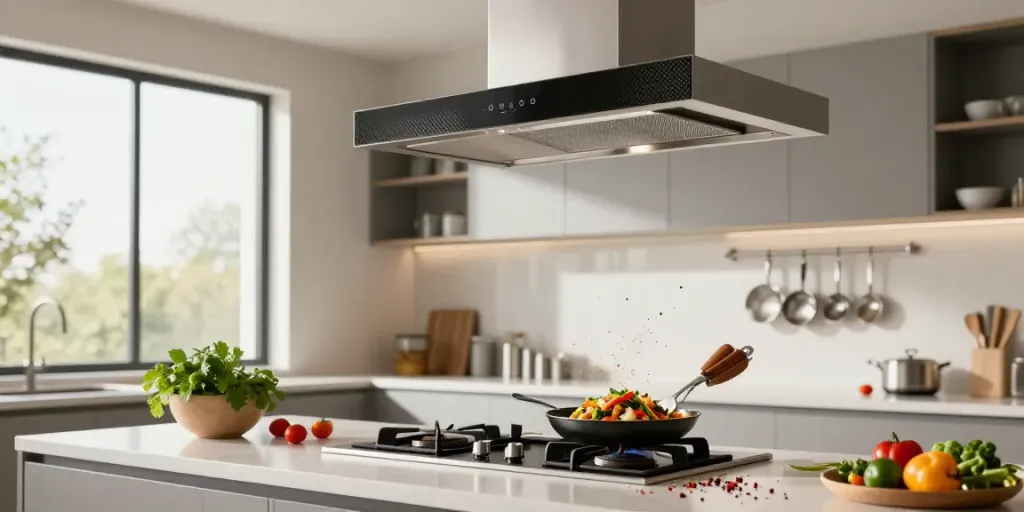
- Island Cooker Hoods: Perfect for open-plan spaces, these hoods are mounted above kitchen islands and offer 360-degree air capture.
- Wall-Mounted Cooker Hoods: Mounted directly above the cooking area, these styles are both functional and stylish.
- Angled Cooker Hoods: Designed for ergonomic use, angled hoods provide better headroom while still capturing cooking fumes effectively.
Considerations for Kitchen Layout and Design
Your kitchen layout will significantly influence the type of recirculating cooker hood you choose. For smaller spaces, integrated or wall-mounted options may be more suitable, while broader, open kitchens may benefit from island hoods that serve as a focal point. Always consider the hood's size in relation to your cooktop to ensure maximum efficiency.
Top Features to Look for in a Model
When shopping for a recirculating cooker hood, here are some features that can enhance your cooking experience:
- Noise Levels: Look for models with quieter operations, particularly if you cook frequently.
- Lighting: Integrated lighting helps illuminate the cooking area, making food preparation easier.
- Control Options: Consider models with touch or remote controls for convenience.
- Filter Indicator: Some advanced models come with indicators that alert you when filters need to be replaced.
Installation and Maintenance Tips
Installing and maintaining your recirculating cooker hood can be straightforward, but it’s essential to follow best practices to ensure optimal functionality.
How to Install Your Recirculating Cooker Hood
The installation process can vary based on the type of hood you choose. However, the general steps involve:
- Preparing the installation area and ensuring you have all necessary tools.
- Mounting the hood according to the manufacturer's instructions, paying close attention to height requirements above your cooking surface.
- Connecting the power supply, ensuring safety standards are met.
- Installing and securing the filters as specified in the user manual.
Care and Maintenance of Carbon Filters
To maximize the lifespan of carbon filters, it’s crucial to maintain them correctly. Most carbon filters will need replacing every three to six months, depending on usage. Regular cleaning of grease filters is also essential and should be done according to the manufacturer's recommendations.
Signs That a Filter Needs Replacement
Watch for certain indicators that suggest it’s time to replace your filters, such as:
- Persistent odours while cooking.
- Reduced airflow or suction power.
- Visible grime or discolouration on filters.
Are Recirculating Cooker Hoods Efficient?
Efficiency can vary based on design and model, but generally, recirculating cooker hoods are designed to meet the needs of average household cooking. For those who frequently fry or grill, a ducted option may serve better in the long run; however, for most daily cooking tasks, recirculating hoods provide effective air purification.
Why Choose a Carbon Filter Over Other Options?
Choosing a carbon filter is often preferred due to its effectiveness at neutralizing odours compared to paper or foam filters. Carbon filters offer superior longevity and do not emit pollutants back into the air, making them a better choice for health-conscious consumers.
What Features Enhance Performance?
Investing in higher-quality models with advanced filtration systems can enhance performance. Features like multi-layered filtration and design innovations that improve airflow will further elevate the efficiency of your recirculating cooker hood.
What Are the Leading Models on the Market?
Some of the top models you might consider include:
- Ciarra 52cm Integrated Cooker Hood: With a sleek design and superior performance, this model is perfect for compact kitchens.
- Ciarra Smart Island Cooker Hood: This stylish option is ideal for open layouts and delivers efficient air purification.
- Ciarra 60cm White Angled Cooker Hood: Combining functionality and modern design, it enhances both performance and décor.
How to Maintain Air Quality While Cooking?
To maintain optimal air quality while cooking, always ensure your recirculating cooker hood is operational during food preparation. This action will help filter out contaminants right from the start. Additionally, regular home ventilation and minimizing moisture-prone cooking practices can contribute to a cleaner kitchen environment.
Final Thoughts
In conclusion, the recirculating cooker hood with carbon filter is a practical and stylish choice for many homeowners, especially those in urban areas facing ventilation challenges. By understanding how these systems operate and how to maintain them, you can elevate your cooking space while ensuring a healthy home environment. No matter your kitchen's configuration, investing in a high-quality recirculating cooker hood can transform your cooking experience, making it safer, cleaner, and more enjoyable.