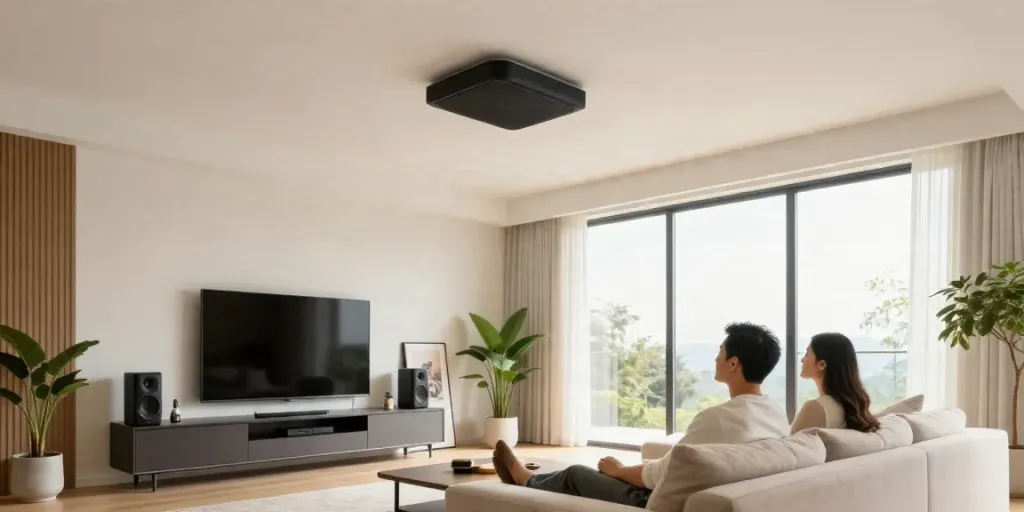
Understanding Ceiling Speakers: The Basics
Ceiling speakers are an innovative and aesthetically pleasing solution for delivering sound in an unobtrusive manner. They offer a unique way to enjoy high-quality audio without the clutter of traditional floor or shelf speakers. Perfect for homes, offices, or commercial spaces, these speakers blend seamlessly into the background, making them a popular choice among homeowners and interior designers alike. When exploring options, خرید اسپیکر سقفی can lead to various models and features suited to individual preferences and requirements.
What are Ceiling Speakers?
Ceiling speakers are audio devices that are installed in the ceiling rather than on walls or floors. They typically consist of a circular or rectangular frame that houses the speaker drivers. Ceiling speakers can be either wired or wireless, providing versatility depending on the home’s sound system setup. Their primary function is to deliver audio quality that can fill a room without taking up valuable space.
Benefits of Choosing Ceiling Speakers
- Space Saving: Ceiling speakers are ideal for those with limited floor space or for those who prefer a minimalist aesthetic.
- Enhanced Sound Distribution: These speakers can offer a more even sound distribution throughout the room compared to traditional speakers, as they are positioned to reflect sound off the ceiling.
- Integration with Home Decor: Many ceiling speakers are designed to blend into the ceiling, making them less noticeable and more appealing in decorative terms.
- Flexibility in Audio Setup: They can be used in various configurations, including multi-room audio systems, which can provide a comprehensive audio experience throughout the home.
Common Myths About Ceiling Speakers
Despite their growing popularity, there are several myths surrounding ceiling speakers that may deter potential buyers. One common misconception is that ceiling speakers do not provide the same audio quality as traditional speakers. However, advancements in technology have greatly improved the sound quality of ceiling speakers, making them a viable option for audiophiles. Another myth is that they are difficult to install. While professional installation is recommended for complex systems, many ceiling speakers are now designed for easy DIY installation.
Factors to Consider When خرید اسپیکر سقفی
Size and Power Ratings
When selecting ceiling speakers, it is essential to consider the power ratings and sizes appropriate for the intended space. Larger rooms may necessitate speakers with higher power ratings to achieve optimal sound levels without distortion. The sizes of speakers also play a crucial role in performance, as smaller speakers tend to be better suited for background music, while larger models can deliver more robust sound ideal for movies and events.
Speaker Types: Passive vs. Active
Ceiling speakers come in two primary types: passive and active. Passive speakers require an external amplifier to power them, making them more versatile in terms of integration with existing audio equipment. Active speakers, on the other hand, have built-in amplifiers, simplifying the setup process. Understanding the differences and evaluating personal needs will aid in making the right choice.
Installation Requirements and Costs
Installation can vary widely in complexity and cost, depending on the type of ceiling speaker, the layout of the space, and whether you opt for professional installation or a DIY approach. It’s important to evaluate the ceiling’s structure, any insulation that may need to be moved, and electrical wiring considerations. While some products come with detailed installation guides, hiring a professional can ensure everything is installed correctly and safely.
Top Brands and Models for 2026
Leading Brands in Ceiling Speakers
The market for ceiling speakers is filled with reputable brands that offer a variety of models. Notable brands include Bose, JBL, Yamaha, and Polk Audio. Each brand brings unique features and advantages, such as sound quality, ease of installation, and design. Researching these brands and their offerings can provide insights into which speaker may best meet your needs.
Comparative Analysis of Best Models
When it comes to ceiling speakers, several models stand out for their performance and user satisfaction. For example, the Polk Audio RC85i is known for its impressive sound quality and weather-resistant design, making it suitable for both indoor and outdoor use. On the other hand, the Yamaha NS-IW360C offers excellent sound clarity and is appreciated for its rich bass response.
User Reviews and Ratings
Before making a purchase, it’s wise to consider user reviews and ratings. Sites like Amazon and Best Buy provide consumer feedback that can help gauge the reliability and performance of different speaker models. Positive reviews often highlight sound performance, ease of installation, and durability, while negative experiences may point out flaws or concerns that could influence your decision.
Installation Tips for Ceiling Speakers
Step-by-Step Installation Guide
Installing ceiling speakers may seem daunting, but following a systematic approach can simplify the process. Start by determining the ideal placement of the speakers, ensuring that they are evenly spaced and not obstructed by beams or insulation. After marking the spots, cut out the necessary openings and run speaker wires (if needed) from your audio source to the location of the speakers. Finally, secure the speakers in place according to the manufacturer's instructions, and test the system before closing up the ceiling.
Common Mistakes to Avoid
When installing ceiling speakers, it’s important to avoid common pitfalls. One mistake is not accounting for the ceiling height; speakers placed too high may not provide the best sound experience. Additionally, ensure that the wiring is done properly to avoid any connectivity issues, and avoid placing speakers too close to walls, as this can lead to unwanted resonance and reduced sound quality.
Tools and Equipment Needed
Having the right tools on hand can make installation easier. Essential tools include a stud finder for locating beams, a drywall saw for cutting openings, electrical tape for securing wires, and a screwdriver for mounting the speakers. A level can also be helpful to ensure that the speakers are straight and perfectly aligned.
Future Trends in Home Audio for 2026 and Beyond
Advancements in Ceiling Speaker Technology
The ceiling speaker market is likely to see significant advancements in technology, such as improved wireless connectivity and integration with smart home systems. These innovations may allow users to control sound settings from their smartphones or through voice-activated systems, enhancing the user experience further.
Sustainable Practices in Sound Equipment
As consumers become more environmentally conscious, manufacturers are likely to adopt sustainable practices in producing ceiling speakers. This could include using recycled materials in speaker construction and minimizing energy consumption during manufacturing processes.
Integration with Smart Home Systems
The integration of ceiling speakers with smart home systems is expected to become more prevalent. Smart speakers that can connect with home automation systems will not only provide high-quality audio but will also offer functionalities like controlling lighting and temperature through voice commands, making them a versatile addition to modern homes.
What to Look for in Upgrading Your Audio Setup?
When looking to upgrade your audio setup, consider factors such as sound quality, compatibility with existing equipment, and the ability to integrate with future technologies. Additionally, evaluate the aesthetic appeal and installation requirements to ensure that the new speakers fit well within your home environment.
FAQs
What is the average price for ceiling speakers?
The price of ceiling speakers can vary widely based on brand, model, and features. On average, consumers can expect to pay between $100 to $500 per pair, with premium models reaching higher prices.
Can I install ceiling speakers myself?
Yes, many ceiling speakers are designed for easy installation, making them suitable for DIY projects. However, if you are uncomfortable with electrical work or cutting into your ceiling, it’s recommended to hire a professional.
How do I choose the right size ceiling speaker for my room?
Choosing the right size of ceiling speaker largely depends on the size of the room and the intended use. A larger room may require speakers that can handle higher wattage and have a larger diameter for better sound quality.
What are the advantages of smart ceiling speakers?
Smart ceiling speakers offer numerous advantages, including voice control capabilities, integration with home automation systems, and convenient access to streaming services, enhancing user experience and functionality.
How to maintain ceiling speakers for longevity?
To ensure longevity, regularly dust and clean the speaker grilles and check for any signs of wear or damage. Proper installation and avoiding excess moisture are critical to maintaining optimal performance over time.